Shipibo Regenerative Future
Shipibo Regenerative Future Initiative
Jakon Nete is raising $250,000 for the next phase of work led by Pacha Nishi, an Indigenous-led nonprofit in Ucayali, Peru. Help establish a permanent home base for forest regeneration, medicinal-plant cultivation, and learning across generations.
Give by December 31, 2026 to help fund the next phase.
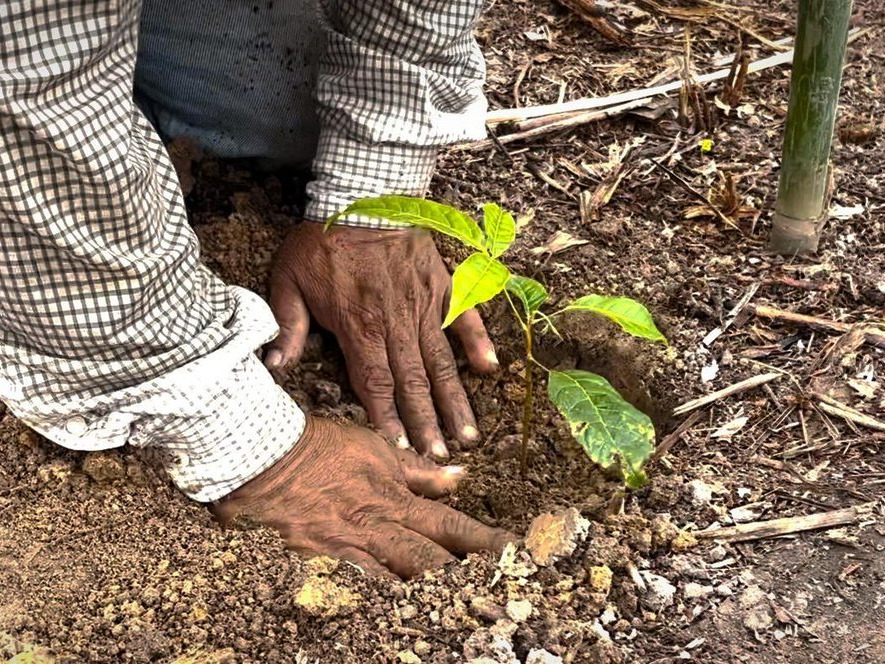
Rainforest regeneration · Medicinal-plant cultivation · Indigenous knowledge · Learning across generations · Forest-based livelihoods
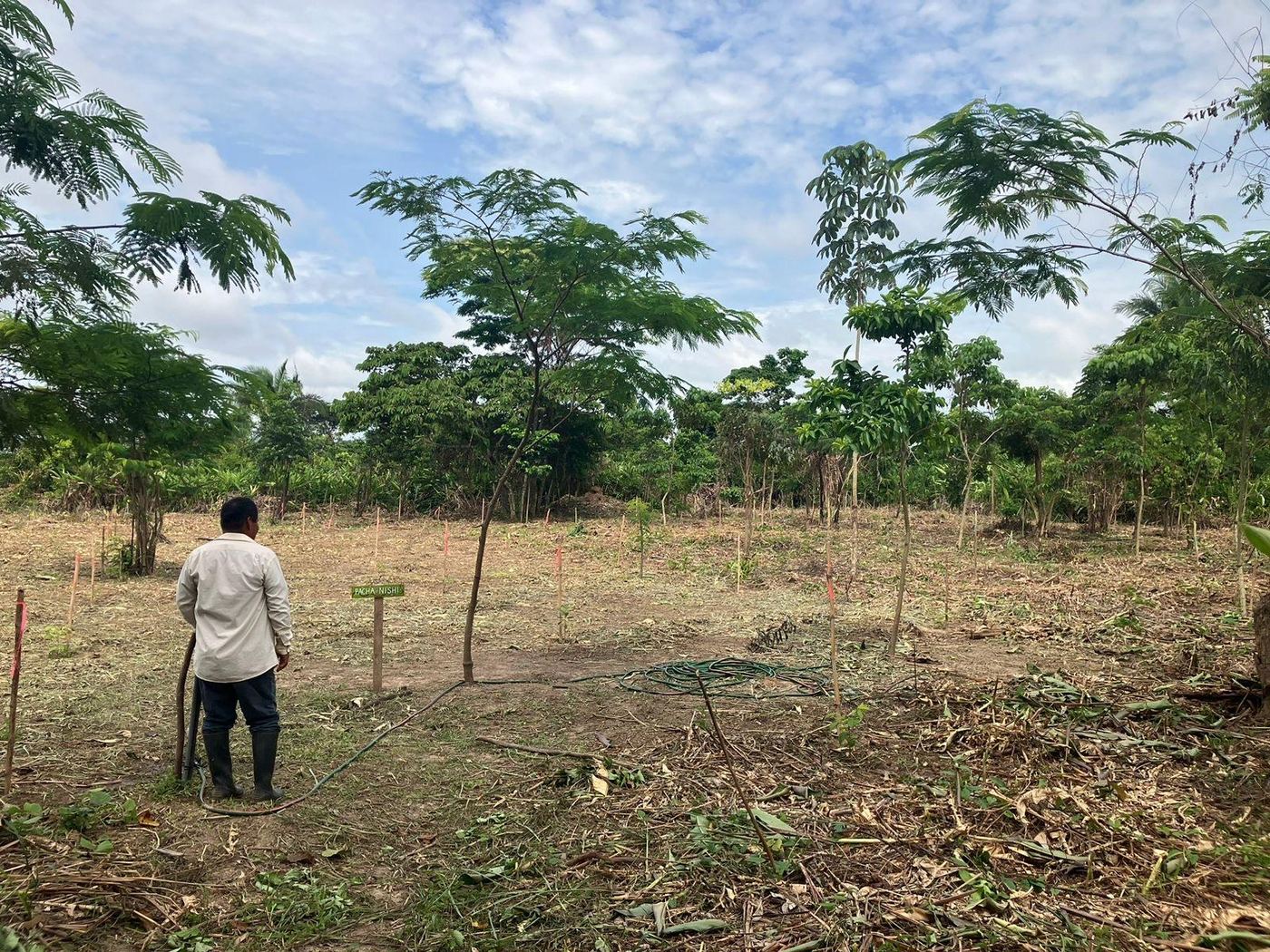
The work is already in the ground
Pacha Nishi has established two agroforestry plots and a medicinal-plant garden. One plot holds approximately 400 trees; the second covers about one hectare. Together, they provide a foundation for research into cultivation and restoration practices that draw on Indigenous plant knowledge and ecological science.
The first Koshi Tapon apprenticeship ran in January and February 2026 with three students. Learning through cultivation and stewardship gives knowledge a continuing place in daily life.
A permanent base for the next stage
A 12.65-hectare property beside the existing plots is available for purchase. Its cacao trees and unfinished house offer a starting point for further cultivation and a place for the team to work and stay.
A dedicated base, with reliable operating support, would allow the team to tend plantings, refine restoration methods, and sustain research and apprenticeship through successive seasons.
We have until December 31, 2026 to complete the land purchase. Gifts by December 31 would help secure the property and fund early operations.
Restoration at the existing site can continue independently of the purchase.
First-stage goal
$250,000
| Funding need | Estimated allocation |
|---|---|
| Land acquisition and initial setup | $100,000 |
| The $75,000 property purchase, plus transaction costs, survey, security, and an initial buffer. | |
| Infrastructure and early operations | $150,000 |
| The field team, nursery, water and power, plot maintenance, documentation, and organizational capacity. | |
What your support makes possible
Forest regeneration
Assess and map planting areas, grow native trees, and fund the ongoing care young plantings need as canopy develops.
Medicinal plants and nursery
Expand propagation from seeds and cuttings, building a local supply of native and medicinal plants for cultivation and restoration.
Apprenticeship and knowledge continuity
Support the next Koshi Tapon cycle, with students learning cultivation, ecological observation, and stewardship alongside experienced Shipibo-Konibo land stewards.
Research that guides the work
With the Coe Lab at Tarleton State University, strengthen records of plant growth, establishment, growing conditions, and care. Use field experience to refine methods and guide future adaptation.
A model other communities can adapt
Forest loss, pressure on medicinal plants, and the erosion of Indigenous knowledge connect to a practical question: how can families sustain a livelihood while caring for the land?
Pacha Nishi’s longer-term vision is a network of locally led projects across the Amazon where forest regeneration, responsible medicinal-plant cultivation, and viable livelihoods reinforce one another. Knowledge would continue through teaching and practice, with each community shaping the work around its own land and priorities.
What others could adapt is concrete: a method for growing plants from cuttings, a planting and maintenance plan, useful ecological records, or an approach to apprenticeship. The five-year development plan also explores income from cacao, propagated plants, and educational visits to help sustain ongoing stewardship. Field experience and cultivation costs will guide which approaches can endure and be shared.
Giving is one way to participate
Gifts of every size are welcome. Give online, or speak with Adam about a substantial gift or a particular part of the work.
Scientific knowledge, legal guidance, economic and educational expertise, and thoughtful introductions can also help this work grow. We welcome a conversation about where your contribution could fit.
Questions
Yes. Jakon Nete is a New Mexico faith-based nonprofit recognized as tax-exempt under Section 501(c)(3) of the Internal Revenue Code.
Charitable contributions to Jakon Nete are tax-deductible to the extent permitted by law.
For contributions connected with our religious activities, any benefits provided are intended to consist solely of intangible religious benefits. Donors receive an acknowledgment of their contribution and should consult their own tax advisor regarding their individual circumstances.
Yes. Zeffy is the simplest way to give, because it passes on the full amount with no processing fees, but you are welcome to use whichever of these suits you best.
Venmo: @JakonNete
PayPal: Give via PayPal
Checks can be made payable to Jakon Nete and mailed to:
Jakon Nete
1424 Santa Rosa Dr
Santa Fe, NM 87505
General support gives Jakon Nete the greatest flexibility to respond to current needs and opportunities.
Contributions may help sustain gatherings, venues, meals, travel, compensation and support for teachers and Spiritual Leaders, administration, community and integration resources, educational work, reciprocity initiatives, and other activities that further our religious and charitable purposes.
Unrestricted support is particularly valuable because it allows the Board to direct resources where they can be most useful.
Yes. Our giving form asks what inspired you to make your donation, and you are welcome to name an area of our work there, such as Reciprocity, Access and Scholarships, Integration and Community Care, or general support. You can also write to us at connect@jakonnete.org and we will note your preference.
These are treated as donor preferences rather than legally restricted gifts. They help us understand what aspects of the work matter most to our supporters and guide how resources are allocated.
Jakon Nete retains full discretion and control over all contributions and is responsible for ensuring that funds are used in furtherance of our religious and charitable purposes. If a particular initiative is fully funded, changes, or can no longer be pursued, the Board may apply contributions to another area of the mission where they can be used responsibly.
Yes. Jakon Nete can receive support from donor-advised funds, private and family foundations, and other philanthropic institutions, subject to the policies and requirements of the grantmaking organization.
If a foundation or other grantmaker proposes specific grant restrictions or reporting requirements, Jakon Nete will review those terms before accepting the grant to ensure they are consistent with our mission and governance responsibilities.
We are happy to provide nonprofit documentation and other due-diligence materials upon request.
Absolutely.
We welcome conversations with individuals, families, foundations, donor-advised fund holders, and other partners who would like to understand Jakon Nete, our work in the United States and Peru, or a particular area of development in greater depth.
A conversation can also help us understand what inspires your support while making sure any proposed gift structure is appropriate for Jakon Nete. Get in touch and we will arrange a time to talk.
Our Governance and Transparency page provides information about our Board of Directors, nonprofit status, financial stewardship, and governing documents.
Pacha Nishi leads the work alongside Shipibo-Konibo elders, land stewards, educators, and families. Marcos Urquia Maynas serves as President and Director of Operations. Asociación Jakon Rate is the separate Peruvian association that owns the existing project land.
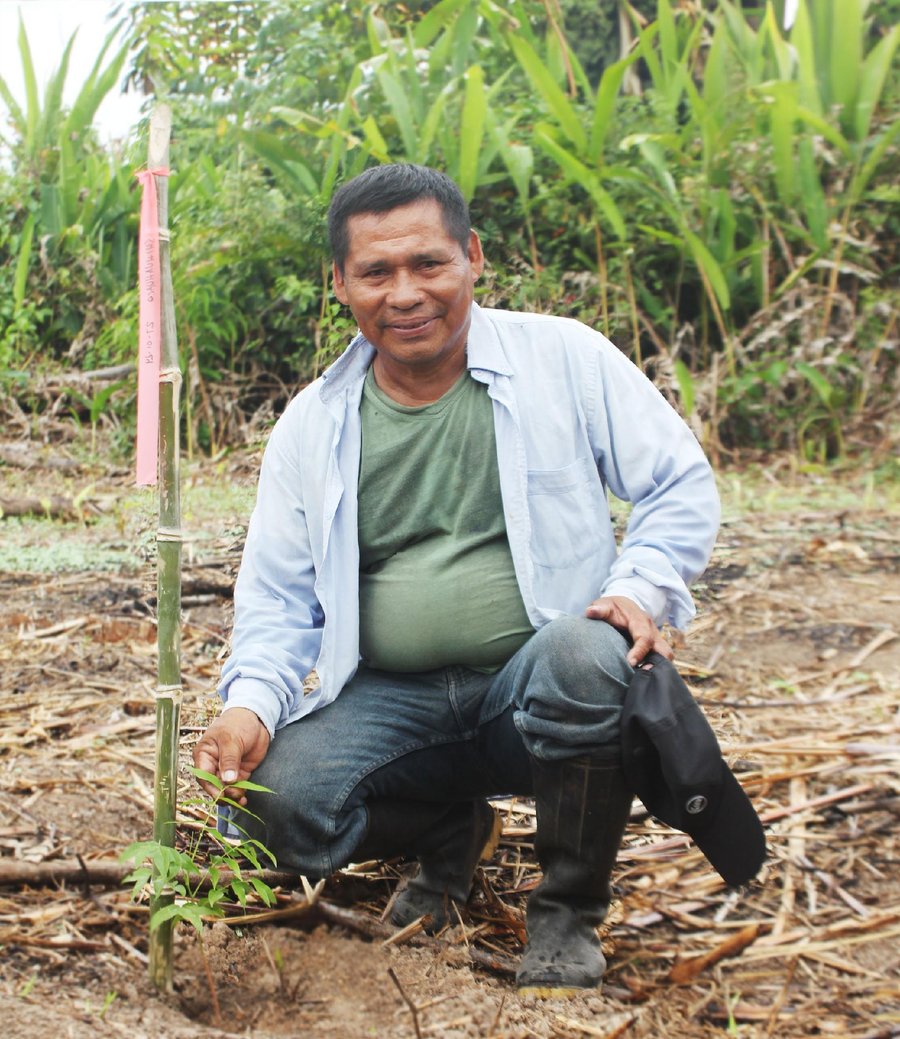
Jakon Nete is the separate U.S. 501(c)(3) nonprofit and faith community receiving gifts. Support for Pacha Nishi through this initiative is intended to take the form of grants. Jakon Nete’s board retains discretion and control over donated funds and oversees their charitable use.
Jakon Nete is a registered 501(c)(3) faith-based organization. EIN 33-4200906.
Charitable contributions to Jakon Nete are tax-deductible to the extent permitted by law.
Méniti
méniti: /mɘ.ni.ti/ “muh-knee-tea”
transitive verb [from ship. me- in the hand + níati to put] : to give <Énribira ménikasai jáweki. I also want to give something.>